

For Healthcare Providers
Partnering for clinical recognition, accurate diagnosis, and evidence-based management
Arachnoiditis is a complex, progressive neuro-inflammatory condition characterized by the chronic inflammation of the arachnoid mater. It frequently leads to severe, intractable neuropathic pain and debilitating neurological deficits. Despite its severity, arachnoiditis remains frequently underdiagnosed, misidentified, or mislabeled in frontline clinical practice.
As the official European coordinator for the international ACMCRN network, Arachnoiditis Europe bridges the gap between frontline clinicians, global research institutions, and patient realities. We are dedicated to providing medical professionals with up-to-date, peer-reviewed clinical resources, diagnostic protocols, and literature to improve diagnostic accuracy and patient outcomes.
In the care pathway of these complex patients, the role of the primary healthcare provider is paramount. Your early recognition, diagnostic validation, and timely multidisciplinary referral play a critical role in arresting disease progression, preventing contraindicated interventions, and preserving patient function and quality of life.
When to Consider Arachnoiditis in Clinical Practice
Consider this diagnosis when a patient presents with a combination of the following symptoms, particularly following spinal interventions, trauma, or infections:
-
Intractable Pain: Persistent pain in the lower back, legs, and pelvic region (commonly described as burning, shooting, or lancinating).
-
Neurological Deficits: Motor weakness, sensory disturbances, and gait or balance impairments.
-
Postural Exacerbation: Symptoms that significantly worsen upon changes in posture or physical loading.
-
Atypical Paresthesias: Sensory distortions including formication (the sensation of insects crawling on the skin), water-droplet sensations on the limbs, and burning plantar surfaces (soles of the feet).
-
Progressive Decline: Neurological deterioration that often remains poorly explained on standard, non-targeted imaging.
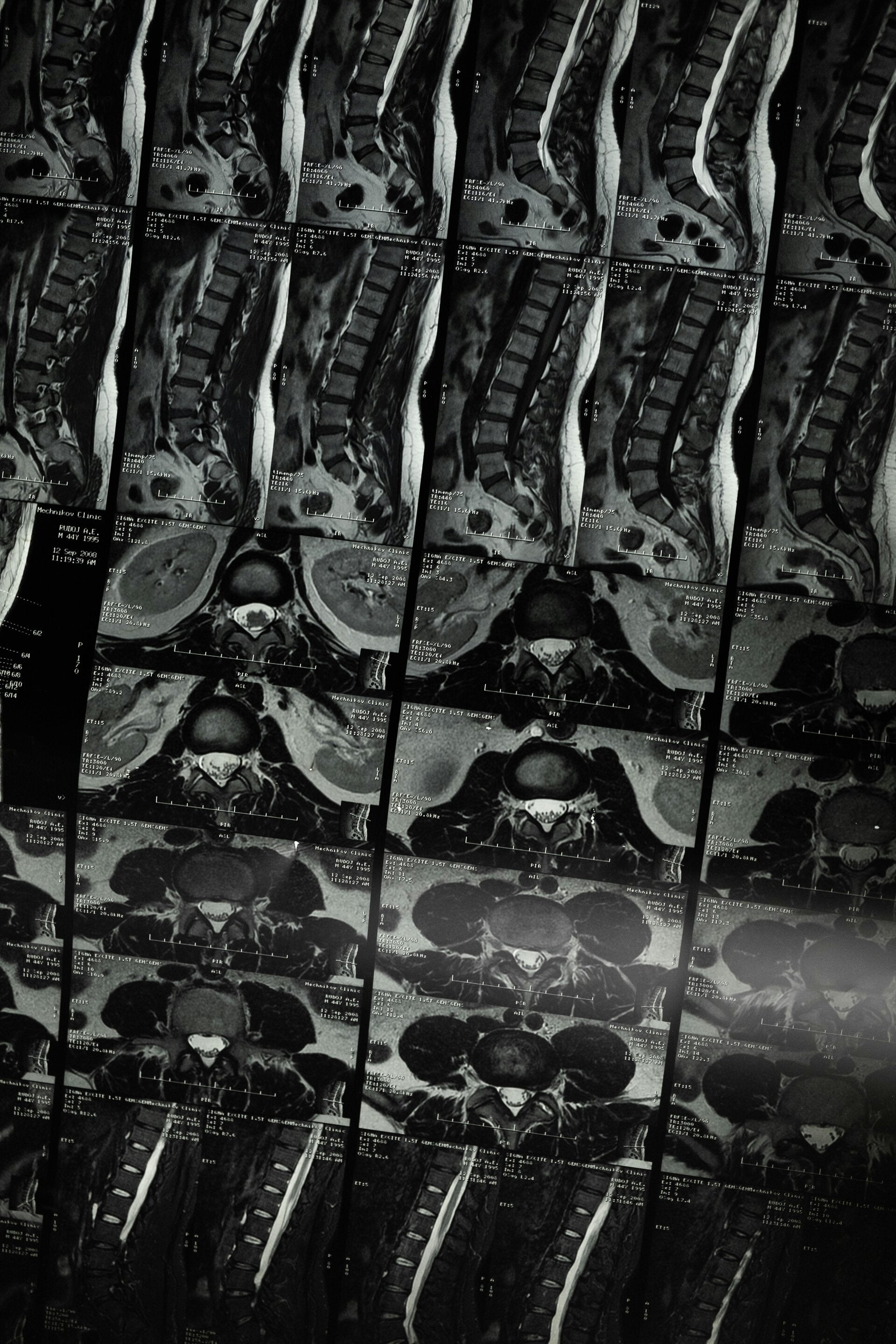
Clinical Advisory: Due to the complex and objective nature of neurogenic pain profiles, early-stage symptoms are frequently mislabeled as psychosomatic. Objective diagnostic imaging, specifically high-resolution T2-weighted axial MRI sequences, is required to evaluate potential nerve root clumping or adherence.
Patient Management & Care Pathways
Therapeutic management of adhesive arachnoiditis focuses on stabilizing neuro-inflammation, controlling central pain pathways, and maintaining physical function.
-
Multidisciplinary Pain Management: Utilizing targeted pharmacological interventions alongside specialized neuro-pain therapies to address centralized and neuropathic pain.
-
Rehabilitation & Functional Support: Tailored physical therapy and pacing strategies designed to support daily functioning without inducing inflammatory flares.
-
Specialized Referral: Prompt referral to dedicated pain management clinics, clinical neurologists, or neurosurgical specialists familiar with spinal arachnoiditis.
-
Clinical Validation: Providing an informed, compassionate listening ear and explicit medical recognition is of immeasurable therapeutic value to patients navigating this condition.